
Early childhood is one of the most important stages in a child’s life. The first years lay the foundation for how a child thinks, learns, relates with others, and views themselves. At Christel Junior School, we understand that what happens in nursery and lower primary classes can shape a child’s future success in school and in life. That is why we are committed to providing a warm, stimulating, and well‑structured early childhood program for all our learners.The first years: more than just play
Many people still think nursery school is just a place where children go to play and pass time. While play is a big part of early learning, it is not “just play.” Through guided play, children develop crucial skills such as problem‑solving, communication, creativity, and cooperation. When a child builds blocks, draws pictures, sings songs, or plays simple games, they are actually learning how to think, focus, and express themselves.
How early childhood education is delivered at our school
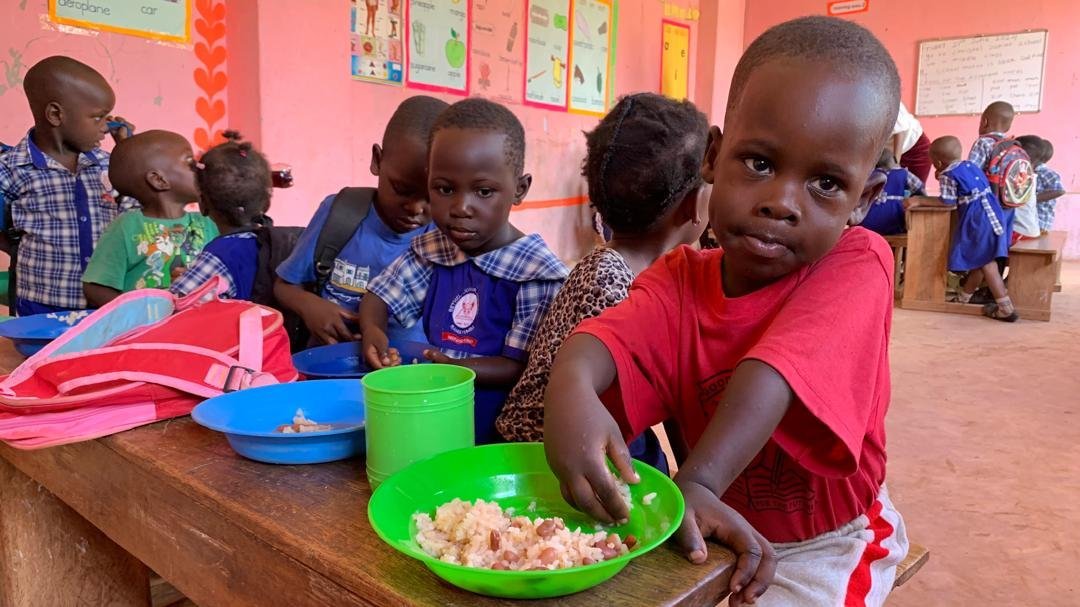
At Christel Junior School, our nursery section is designed with this in mind. Our teachers plan age‑appropriate activities that look fun on the outside, but are carefully created to build early literacy, numeracy, and social skills on the inside. Children learn to recognise letters and sounds, count and sort objects, follow instructions, share with others, and manage their emotions in a safe space.Early childhood education and brain development
Science has shown that a child’s brain develops faster in the early years than at any other time in life. During this period, the brain makes millions of new connections as children explore their world. Positive learning experiences at this stage can boost a child’s confidence, curiosity, and ability to learn later on.
Our classrooms at Christel Junior School are set up to support this growth. We provide:
- Colourful, friendly learning corners for reading, art, and exploration
- Age‑appropriate books, puzzles, and toys
- Opportunities for children to ask questions, experiment, and discover new things
By engaging every sense – seeing, hearing, touching, and doing – we help children build strong pathways in the brain that make future learning easier and more enjoyable.Building a strong foundation for literacy and numeracy
Reading and mathematics are essential skills for every learner. However, success in these areas begins long before a child sits for examinations. Early childhood education focuses on pre‑literacy and pre‑numeracy skills that prepare children to read with understanding and work with numbers confidently later on.
In our nursery and lower primary classes, we introduce children to:
- Letter sounds, simple words, and stories read aloud by the teacher
- Rhymes, songs, and games that build vocabulary and listening skills
- Counting objects, recognising numbers, shapes, and patterns
- Simple comparisons such as big/small, more/less, and near/far
These activities make learning natural and enjoyable. Instead of forcing children to memorise, we allow them to experience language and numbers through everyday activities. As a result, when learners move into upper primary, they are usually more confident, attentive, and ready to tackle more complex work.Social and emotional skills: learning to live with others
Education is not only about passing exams; it is also about learning how to live with others in a respectful and caring way. In the early years, children are still learning how to manage their emotions, share, take turns, and solve conflicts peacefully. A good early childhood program supports this social and emotional growth.
At Christel Junior School, we:
- Encourage children to speak up, share ideas, and listen to others
- Teach simple values such as kindness, honesty, and respect through stories, songs, and daily routines
- Help children to identify and express their feelings in a healthy way
- Guide them to find peaceful solutions when disagreements arise
These life skills are important not only at school, but also at home and in the community. Children who feel loved, understood, and accepted are more likely to develop into confident and responsible young people.The role of teachers in early childhood education
The role of a teacher
The teacher plays a powerful role in shaping the early learning experience. In our nursery and primary sections, we are intentional about having caring, patient, and well‑trained teachers who understand the needs of young children. They act as guides, role models, and mentors.
Our teachers at Christel Junior School:
- Plan lessons that match the age and abilities of each class
- Observe each child closely to see where they need more help or more challenge
- Use positive discipline and encouragement instead of fear or harshness
- Work closely with parents to support each child’s progress
We believe children learn best when they feel safe and loved. A warm smile, a gentle word, and a listening ear can sometimes teach more than any textbook.Supporting disadvantaged children from the very beginning
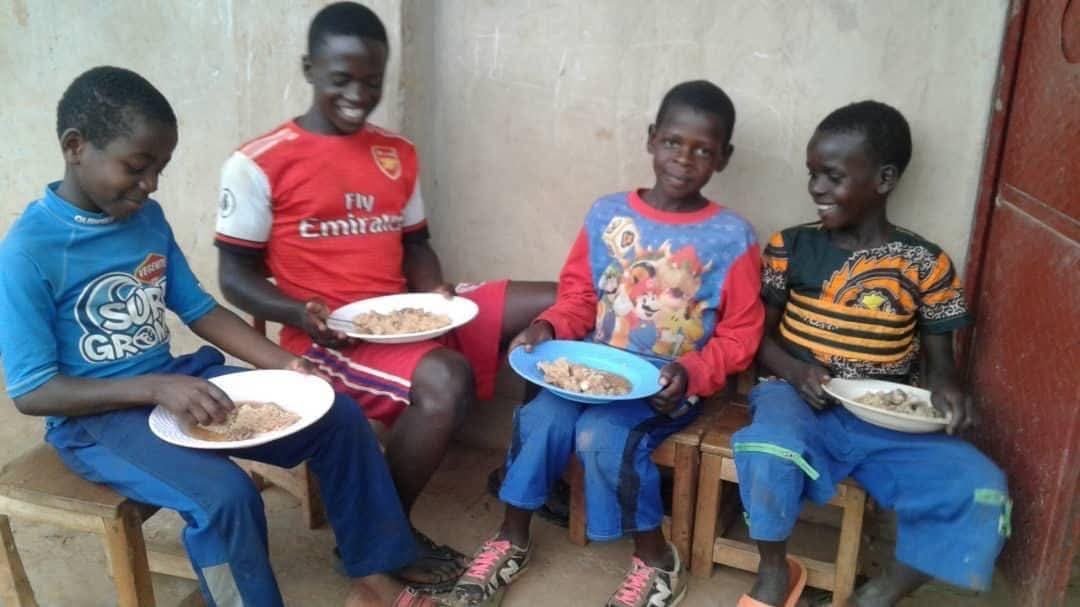
We recognise that some children face serious challenges even before they step into a classroom. Orphans and children from very poor backgrounds may lack basic needs such as food, clothing, or learning materials. Without support, these children can easily fall behind or drop out of school altogether.
That is why Christel Junior School places a special focus on disadvantaged learners through our bursary and sponsorship program. By providing fee support, uniforms, and learning materials, we help ensure that even the most vulnerable children can benefit from early childhood education. When we invest in these children at a young age, we give them a chance to break the cycle of poverty and build a brighter future.How parents and guardians can support early learning at home
Parents and guardians
Parents and guardians are a child’s first teachers. The things you do at home every day can greatly support what your child learns at school. Here are some simple ways you can help:
- Talk to your child often and listen to them carefully
- Read or tell stories to your child, even if it is just a few minutes each day
- Allow your child to draw, colour, and play with safe objects
- Praise your child’s effort, not only their results
- Maintain a regular routine for sleeping, eating, and studying
When school and home work together, children feel more secure and are more likely to succeed.Why Christel Junior School is the right place to start
Choosing where your child begins their education is a big decision. At Christel Junior School, we are committed to making those early years count. We offer:
- A safe, loving, and child‑friendly environment
- Qualified and caring teachers who understand young learners
- A balance of play and structured learning
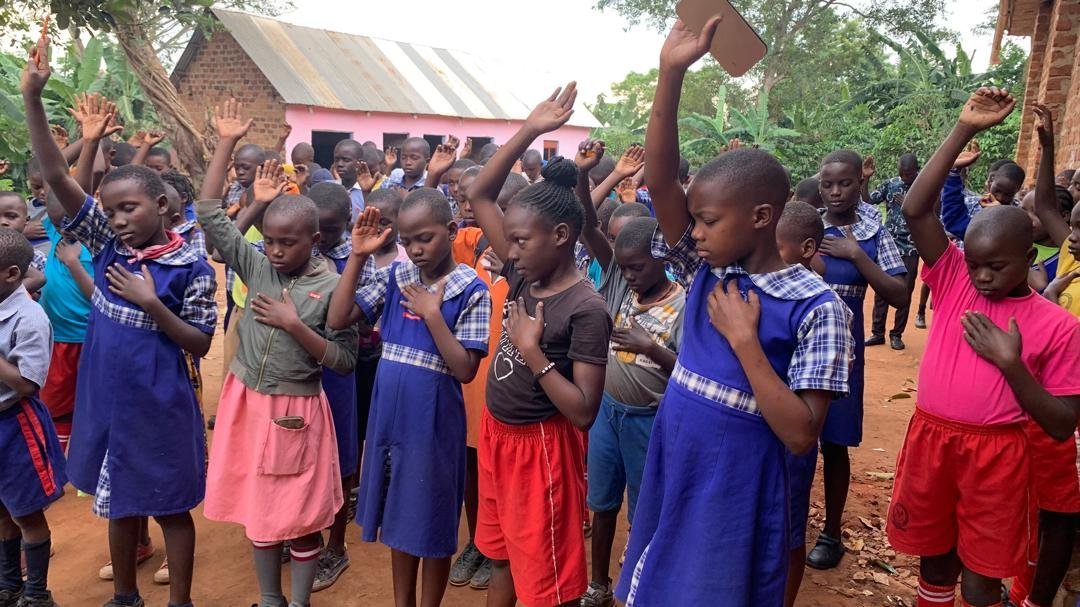
- Strong moral and spiritual guidance
- Bursary support for orphans and children from low‑income families
We believe that every child, regardless of their background, deserves a strong start.Call to action
If you have a young child ready for nursery or lower primary, this is the time to give them the best foundation you can.
- Enroll your child at Christel Junior School: Visit our campus or contact us to learn more about our nursery and primary programs.
- Ask about bursary opportunities: If you are caring for an orphan or a child from a struggling family, inquire about our bursary and sponsorship options.
- Partner with us: If you are able to support a disadvantaged child, consider sponsoring a learner and changing a life forever.
Early childhood education matters. At Christel Junior School, we are honoured to walk with you and your child on this important journey.